

7 Ways AI May Negatively Impact Your Education

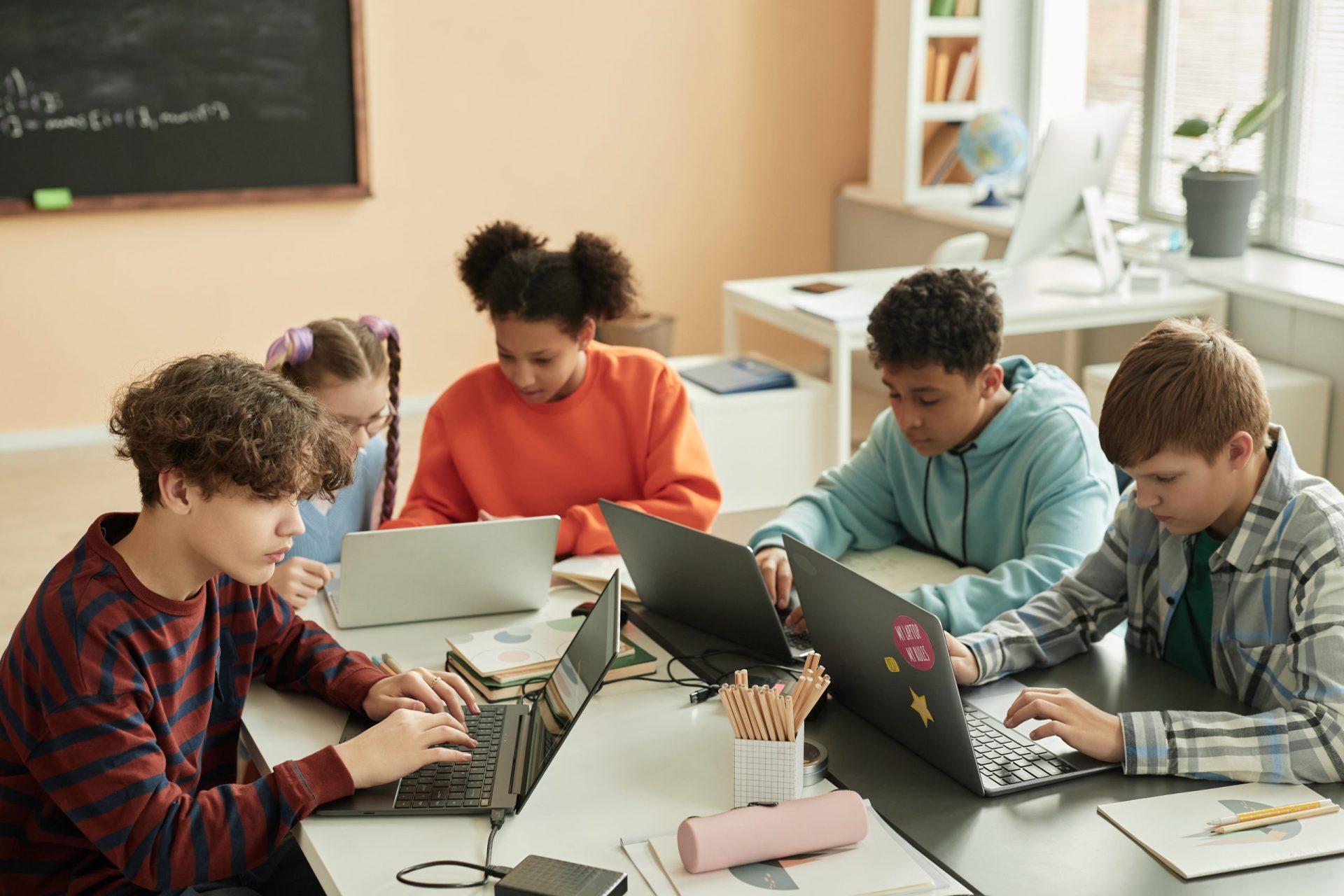
Artificial intelligence, or AI, is embedded in our lives. It’s impacting virtually everything we do. From personalizing social media feeds to making recommendations on your phone or computer, to acting as a tutor, teacher, or counselor of sorts, you can discover something about anything using AI.
But in education, AI is having a major impact on tweens, teens, and young adults. With intelligence at the tip of your fingers, you may feel you no longer have to head to the library or consult a range of other resources to find what you’re looking for. Instead, a few keystrokes and some carefully worded questions will get you responses that go on for pages. And you may get them in just seconds!
Use the information below to begin a conversation with your teen about artificial intelligence and the impact it may have on them. Or simply share this piece with them and discuss it later.
AI’s Impact in School
AI’s fast-growing presence means students must learn not only what AI is and how to use it, but when to use it. AI should not be the answer to all of your learning challenges. Used poorly, artificial intelligence can negatively affect the school experience.
7 of the Worst Ways AI Can Impact Your Education
Assuming that AI is correct. Sure, there is plenty of information provided by AI that is correct. But assuming it is 100% accurate without questioning the answer it’s given or the source is a mistake. AI can “hallucinate” or spew incorrect information. It has been shown to make up sources to support its answers or, at times, make up answers it thinks you want to hear. Use critical thinking and question the responses. Understand that AI systems will sound confident even when they are wrong. When AI offers information, ask yourself:
- Does this make sense?
- Where did this information come from?
- Can I verify it elsewhere? (And consider doing that!)
- Do other trusted sources show agreement?
Believing Everything You See, Hear, or Watch. In addition to written responses, AI can also generate images, videos, and audio recordings. With an explosion of AI-generated content, students should look and think carefully before believing or sharing what they see. Because some content could be misleading or made up, ask yourself:
- Who created it?
- What is the original source?
- Has it been verified elsewhere?
- Could it be AI-generated?
Letting you cheat. Because students can use AI to write papers or help complete assignments, cheating has become easier. With so much pressure and competition in school, it may be tempting, but don’t fall for it. It’s only you who loses out in the long run. And with numerous AI detectors on the market, teachers are on the lookout – with some severe consequences! Know your school’s policy on using AI on any assignments before you end up with a big, fat zero.
While cheating remains a concern, there’s another risk that may matter more.
Outsourcing Your Brain. If AI writes every outline, summarizes every reading assignment, solves every problem, or generates every draft, you may miss out on building the essential skills school is designed to develop. The goal of education is not simply producing answers. It is learning how to:
- Analyze information
- Solve problems
- Communicate clearly
- Think critically, meaning being able to question something and make a well-thought-out decision
- Come up with new ideas
If AI does all the thinking, those skills may not develop as effectively as they otherwise would.
Giving AI your personal information. There are lots of times when AI will ask you for information. Understand that whenever you share information with AI, it stores it. Who knows where that data may end up later? If private information leaks, details may be widely released. So, avoid sharing information such as:
- Student identification numbers
- Home addresses
- Medical information
- Mental health concerns
- Passwords
- Private information about other people
Before sharing something with an AI tool, ask yourself whether you would be comfortable if someone that you don’t know eventually saw that information.
Letting AI Replace Human Connection. While AI can answer questions and hold conversations, it cannot replace true relationships. Teachers, coaches, clergy, mentors, family members, and friends can help you develop empathy, resilience, communication skills, and a sense of community. Sure, technology can support learning, but some of life’s most important lessons come from actual human interaction. Trusted people remain your best resource for times you need advice, encouragement, or support.
Using AI Without Thinking About Its Impact. AI systems require significant computing power and resources. Students don’t need to worry about every interaction they have with AI, but using these tools thoughtfully is part of being a responsible digital citizen. Just because AI can help with every task doesn’t mean it should.
There’s no doubt artificial intelligence can support learning, creativity, and organization. But it should never replace critical thinking, judgment, or the human connections that help young people grow. To use it successfully, students must learn when AI can support them without replacing their own thinking or the real people in their lives.
Dr. Andrew Pool, Director of Research at CPTC, contributed to this piece. This content was created by CPTC through the generosity of the “Oops!…AI Did It Again” Challenge by Young Futures.
Also Read This
Related topics for helpful discussions.


